


Why Sara Cox Running 135 Miles for Children in Need Is A Masterclass In Genius Fundraising
Just as the annual wave of self-congratulatory Christmas charity ads begins – those glossy, John-Lewis-inspired mini-dramas that lean heavily on sentimentality – something far more powerful has been unfolding across the airwaves, and across the roads of Northumberland, County Durham and Yorkshire.
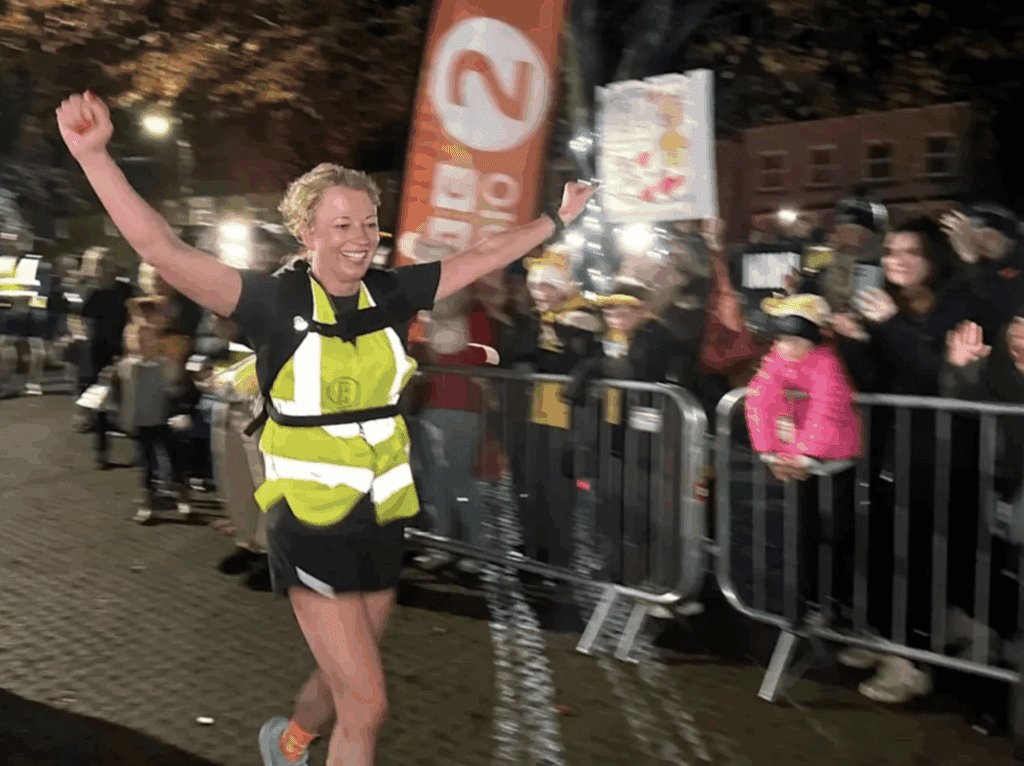
A genuine masterclass in fundraising has taken place – live, unfiltered and emotionally raw – as Sara Cox ran 135 brutal miles for Children in Need.
As of the moment she crossed the finish line, over £7 and a half million had already been donated. And now on Monday night, it is the best part of £11 million. When you listen carefully to donors, the message is unmistakable. Yes, they’ve been moved by the stories shared on BBC Radio 2 throughout the week. But time after time, what did we hear?
“I’m giving for Sara.”
This is the fantastic thing - that we all need to learn from. Sara hasn’t done anything like this before. Before she started training, she didn’t even own a pair of running shoes. She has posterior patella arthritis, her legs turn in at the knee, and she has openly described being bullied as a child because of how she looked and moved. Running 135 miles was never going to be easy for her – in fact, it was painfully difficult.
- And yet she let the public in. She shared everything.
- Her tears. Her fear. The grinding pain in every step.
- The swelling in her toes. The agony in her knees.
- The mornings she could barely stand, let alone run again - all day long.
- The rain, the cold, the exhaustion – the very human struggle.
Listeners travelled every mile with her. At times it was painful to hear. But because she didn’t hide the struggle, the public didn’t hold back their support. As a result, she is on track to smash every previous Children in Need physical challenge – run, cycled or swum – since the event began.
People have been talking - constantly. In workplaces, on buses, on social media, in homes. The collective feeling is: we’ve all been through this with her.
So why has this challenge connected so strongly, and why have donors given with such generosity?
Here’s what’s I think is going on – and what lesson other fundraisers can learn from her journey.
1. Recognition. People want to acknowledge her effort, not just the cause
We already know Sara. She’s someone listeners have formed a semi-personal relationship with over years – on air, online, and on TV. The ask isn’t coming from a big charity barnd – it’s coming from a person they trust and feel affection for.
Donors want to show her they see her sacrifice and struggle. They’re giving to her – as much as Children in Need.
Fundraising lesson:
Stop constantly swapping front-facing spokespeople. Build long-term, human relationships. Donors give to people they know.
2. Participation. People feel like they are part of the challenge
Sara didn’t run for the audience; she ran with them emotionally.
Listeners have been following her in real time, rallying to support her, urging her on. When she hurt, they felt involved. When she broke down, they leaned in. When she kept going, they felt responsible for helping her keep going.
The donation becomes their part of her run.
Fundraising lesson:
Let supporters participate in the struggle. Don’t hide the hard elements – they are the emotional glue.
3. Efficacy. Donors feel like their gift matters right now
Because the attempt was live, day-by-day, every donation felt like fuel in the tank. Donors saw an immediate emotional return:
“She’s in agony… my tenner might help her keep going.”
Donors want to feel their gift has instant, tangible impact. Sara gave them that.
Fundraising lesson:
Real-time, unfolding narratives give donors the sense that they are changing the outcome in the moment.
4. Warm Glow. Acts of generosity feel good when the story is authentic
Sara’s story is Raw, honest, unscripted – authentic.
The public responds to truth. They can feel when something is genuine.
Giving to Sara feels deeply good, because they’re supporting someone who is visibly giving everything she has.
Fundraising lesson:
Authenticity is more emotionally persuasive than perfect storytelling or high production values.
5. Belonging. The country cheered together
There’s a social energy to this kind of fundraising.
People were talking about the run everywhere. On Facebook, Instagram, and in real life.
There was a sense of collective witnessing and collective pride.
Donors didn’t just want to give – they wanted to be part of the moment.
Fundraising lesson:
National, communal “events” unlock the powerful donor need-state of belonging.
6. Agency. She’s an ordinary person doing something extraordinary
This is crucial. Sara isn’t an elite athlete.
She’s a relatable, middle-aged mum who took on something impossible and did it anyway.
That gives donors a sense of agency: “If she can push herself this hard, I can do my bit too.”
Fundraising lesson:
The is everyday heroism. The everyday person overcoming adversity is a narrative rocket - that so many of us want to be part of.
7. Connection. She shared her vulnerability, and donors connected
Her honesty about bullying and her physical challenges unlocked deep empathy.
This wasn’t just a run. It was a person breaking new barriers, live on the radio, step after step.
People give when they feel emotionally connected.
Sara created that connection by being open, imperfect and real.
Fundraising lesson:
Emotion can created by showing suffering – but vulnerability in overcoming adversity is maybe better.
8. Goodness – In a world full of noise, conflict and performative behaviour, Sara represented something simple and real
And this point is a biggie. It’s something we’ve heard repeatedly in donor interviews. Right now, the world feels particularly divided. Outrage is everywhere. Social media rewards performance over sincerity. People are exhausted by conflict, cynicism and bad faith.
And then along came Sara – unfiltered, unvarnished, utterly human.
No posturing. No agenda. No “look at me” moral grandstanding.
Just someone doing something incredibly hard for a fantastic cause, with honesty and heart.
For many donors, giving wasn’t just about supporting her challenge – it was an act of choosing goodness in a moment when goodness can feel scarce.
Supporting Sara became a quiet rebellion against the ugliness of the world.
A way to say: This is the side I want to be on. This is what matters.
Fundraising lesson:
People are hungry for sincerity. They want to align themselves with genuine human decency. When you offer them something that feels real, hopeful and good, they will rush towards it – because it’s a relief, and because it reminds them of who they want to be.
In summary
Sara Cox’s 135-mile run raised millions because it wasn’t an advert.
It wasn’t scripted.
It wasn’t polished.
It was human, and humans give to humans.
Fundraisers should pay close attention:
What happened this week wasn’t luck – it was a perfectly aligned set of donor need-states, activated by a storyteller who let us in and took us with her every step. And from what I hear far more people are going to be watching Children In Need tonight than is usual – and that could make for a record-breaking year.
If you’d like to be part of her challenge – you can give here. Go on - give a few quid and enjoy tonight’s Children in Need much more as a result.
This post was first published on Friday the 14th November, 2025 on my Substack. If you'd like to make sure you get my thoughts and insights first, considering subscribing to my Substack too. I'm sure I'll keep posting stuff here, but I'm prioritising substack at it's just so easy - compared to clunky old WordPress.


The Essentials

Crack the Code to Regular Giving: Insights, Strategies, and a Special Giveaway!
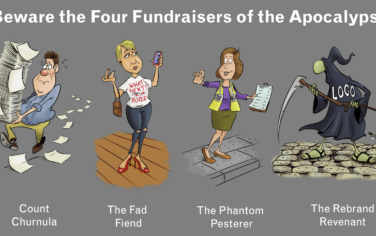
‘Tis Halloween. Keep to the light and beware the Four Fundraisers of the Apocalypse!
Why do people give? The Donor Participation Project with Louis Diez.
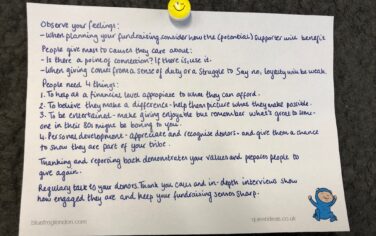
A guide to fundraising on the back of a postcard
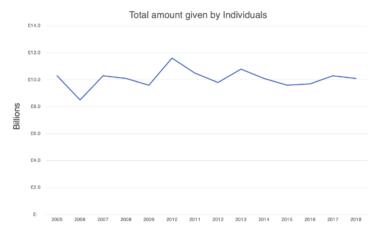
What does the latest research tell us about the state of fundraising?